
Running an online store is more competitive than ever. Thousands of businesses launch every day, yet only those with a clear strategy continue to grow. Following the right ftasiatrading ecommerce tips can help you attract the right audience, improve customer experience, and increase sales without relying on shortcuts. Whether you are opening your first store or improving an existing one, success comes from making consistent improvements based on customer needs and reliable data.
Why Ecommerce Success Requires More Than Good Products
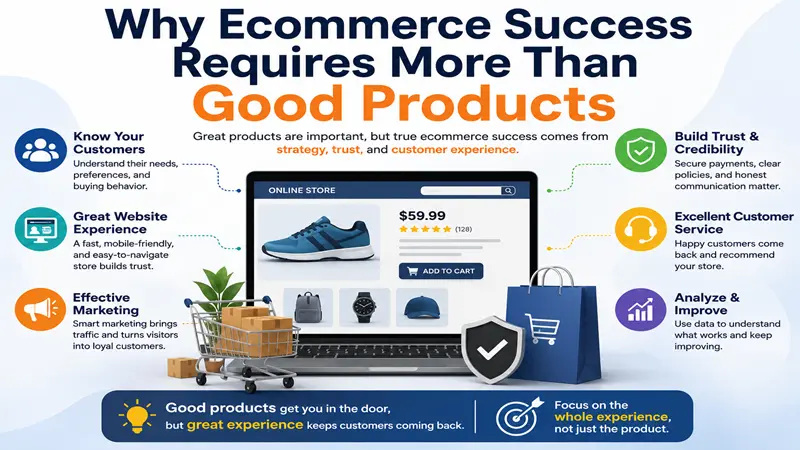
Many new sellers believe that offering quality products is enough. In reality, customers also expect a smooth shopping experience, fast-loading pages, secure payments, and helpful customer support. Every interaction shapes how people view your business.
Successful ecommerce stores usually focus on these areas:
- Understanding customer needs
- Creating a professional website
- Offering secure and simple checkout
- Providing excellent after-sales support
- Improving marketing through data
Businesses that continuously refine these areas often build stronger customer loyalty and enjoy more consistent sales.
FTAsiaTrading Ecommerce Tips for Building a Strong Foundation
Before spending money on advertising, build a business that customers can trust. A strong foundation makes future growth easier and reduces costly mistakes.
Select a Profitable Niche
Trying to sell everything to everyone often leads to poor results. Instead, choose one market where you can understand customer problems and provide better solutions.
Consider these factors before selecting a niche:
- Consistent customer demand
- Healthy profit margins
- Manageable competition
- Reliable suppliers
- Opportunity for repeat purchases
For example, instead of selling all home products, you could specialize in eco-friendly kitchen accessories or ergonomic office supplies.
Research Your Competitors
Competitor research is not about copying another business. It helps you discover opportunities they may have missed.
Look at:
- Product pricing
- Shipping options
- Website design
- Customer reviews
- Frequently asked questions
Negative customer reviews on competing stores often reveal problems you can solve in your own business.
Create a Clear Brand Identity
Customers remember brands that feel consistent.
Your brand should include:
- A recognizable logo
- Consistent colors
- Simple messaging
- Professional product images
- A trustworthy tone of voice
Strong branding helps customers recognize your business even when they see your products on different platforms.
Understand Your Customers Before Selling
One of the biggest mistakes beginners make is promoting products without understanding their audience.
Ask yourself:
- Who is most likely to buy this product?
- What problem does it solve?
- Why would customers choose it instead of competitors?
- Which devices do they use for shopping?
- What concerns might stop them from purchasing?
Creating a simple customer profile makes it easier to write product descriptions, create advertisements, and choose the right marketing channels.
Listen to Customer Feedback
Customer feedback provides valuable insights that analytics alone cannot.
Collect feedback through:
- Product reviews
- Email surveys
- Live chat conversations
- Social media comments
- Return requests
Patterns in customer feedback often highlight improvements that increase satisfaction and reduce future complaints.
Build an Ecommerce Website That Encourages Sales
A beautiful website is helpful, but usability matters even more. Visitors should find products quickly and complete purchases without confusion.
Keep Navigation Simple
Organize products into logical categories with clear labels.
Good navigation includes:
- Search functionality
- Product filters
- Clear menus
- Breadcrumb navigation
- Easy access to customer support
When shoppers spend less time searching, they spend more time buying.
Optimize Website Speed
Page speed directly affects user experience and search rankings.
Improve loading times by:
- Compressing large images
- Removing unnecessary plugins
- Using modern image formats
- Reducing excessive scripts
- Choosing reliable web hosting
Even a small improvement in loading speed can reduce bounce rates and improve conversions.
Make Mobile Shopping Easy
Most online shoppers browse and purchase using smartphones.
A mobile-friendly store should have:
- Large, clickable buttons
- Readable text
- Fast-loading pages
- Simple checkout forms
- Responsive product images
A poor mobile experience often results in abandoned carts and lost revenue.
Write Product Pages That Build Confidence
Your product page acts as your salesperson. Since customers cannot physically examine products, your page must answer their questions before they ask.
Include Complete Product Information
Every product page should explain:
- Features
- Benefits
- Materials
- Dimensions
- Available colors
- Care instructions
- Shipping details
- Return policy
Instead of simply listing specifications, explain how each feature improves the customer’s experience.
For example:
Instead of:
“Water-resistant backpack.”
Write:
“This lightweight backpack uses water-resistant fabric to protect your belongings during unexpected rain while offering multiple storage compartments for daily organization.”
Use High-Quality Images
Images strongly influence buying decisions.
Include:
- Front view
- Side view
- Close-up details
- Lifestyle photos
- Size comparison images
Showing products in real-life situations helps customers visualize ownership and increases confidence before purchasing.
Improve SEO to Attract Free Organic Traffic
Search engine optimization (SEO) remains one of the most cost-effective ways to grow an online store. Unlike paid advertising, organic traffic can continue bringing visitors long after your content is published. One of the most valuable ftasiatrading ecommerce tips is to build every product page and blog post with both users and search engines in mind.
Focus on Search Intent
Before targeting a keyword, understand why someone is searching for it.
For example:
Search Type |
Customer Goal |
Content to Create |
|
Informational |
Learn about a topic |
Blog posts, buying guides |
|
Commercial |
Compare products |
Comparison articles, reviews |
|
Transactional |
Buy a product |
Optimized product pages |
When your content matches user intent, visitors are more likely to stay longer and convert into customers.
Basic Ecommerce SEO Checklist
Follow these best practices:
- Write unique page titles and meta descriptions.
- Use descriptive URLs.
- Add alt text to every product image.
- Link related products and blog posts together.
- Avoid duplicate product descriptions.
- Update outdated content regularly.
Small SEO improvements made consistently often deliver better long-term results than relying only on paid traffic.
Simplify the Checkout Process
Many online stores lose sales because customers abandon their carts before completing payment. A complicated checkout process creates unnecessary friction.
To reduce cart abandonment:
- Allow guest checkout.
- Ask only for essential information.
- Display shipping costs upfront.
- Offer multiple payment methods.
- Show secure payment badges.
- Send automatic order confirmations.
Every extra step gives shoppers another reason to leave, so keeping checkout simple can significantly improve conversion rates.
Build Customer Trust at Every Step
Trust is one of the strongest drivers of online sales. Customers are more comfortable purchasing from stores that appear transparent, reliable, and professional.
Ways to build trust include:
- Display authentic customer reviews.
- Publish clear return and refund policies.
- Provide accurate delivery estimates.
- Include contact details on every page.
- Use HTTPS and secure payment gateways.
Trust is earned through consistent actions rather than marketing claims.
Use Data to Make Better Decisions
Successful ecommerce businesses rarely rely on guesswork. Instead, they use performance data to understand what is working and what needs improvement.
Monitor key metrics such as:
Metric |
Why It Matters |
|
Conversion Rate |
Measures how many visitors become customers. |
|
Average Order Value |
Shows how much customers spend per purchase. |
|
Cart Abandonment Rate |
Identifies checkout problems. |
|
Returning Customers |
Indicates customer loyalty. |
|
Traffic Sources |
Reveals which marketing channels perform best. |
Reviewing these numbers regularly helps you make informed business decisions instead of relying on assumptions.
Encourage Repeat Customers
Acquiring a new customer usually costs more than retaining an existing one. That is why long-term growth depends on building lasting relationships.
Simple retention strategies include:
- Send personalized follow-up emails.
- Recommend related products.
- Offer loyalty rewards.
- Share helpful educational content.
- Respond quickly to customer questions.
Customers who enjoy a positive experience are more likely to purchase again and recommend your store to others.
Common Ecommerce Mistakes to Avoid
Even experienced sellers make mistakes. Recognizing them early can save time and money.
Avoid these common errors:
- Ignoring customer feedback.
- Copying product descriptions from other websites.
- Using poor-quality product images.
- Overcomplicating website navigation.
- Neglecting mobile optimization.
- Forgetting to test checkout regularly.
- Setting unrealistic shipping expectations.
- Focusing only on acquiring new customers instead of retaining existing ones.
Learning from these mistakes can strengthen your business and improve customer satisfaction.
Future Trends Every Ecommerce Seller Should Watch
The ecommerce industry continues to evolve. Staying informed about new developments helps businesses remain competitive.
Important trends include:
- Artificial intelligence for product recommendations.
- Voice search optimization.
- Personalized shopping experiences.
- Faster delivery options.
- Sustainable packaging.
- Social commerce through platforms like Instagram and TikTok.
- Predictive inventory management.
Businesses that adapt to changing customer expectations are better positioned for long-term success.
Key Takeaways
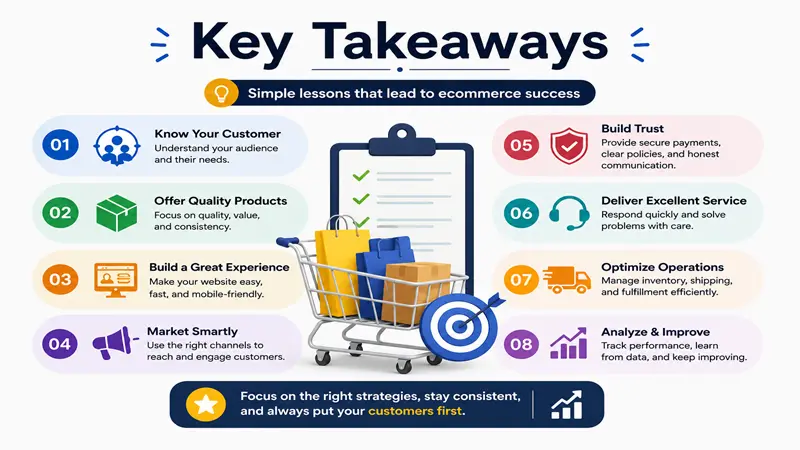
Success in ecommerce is not about finding a single winning strategy. It comes from improving every stage of the customer journey, from the first website visit to post-purchase support. Applying ftasiatrading ecommerce tips consistently can help you create a store that customers trust and recommend to others.
Remember these essential points:
- Choose products that solve real customer problems.
- Build a fast, mobile-friendly website.
- Write original and informative product descriptions.
- Invest in SEO for sustainable traffic.
- Simplify the checkout process.
- Track business performance with analytics.
- Prioritize customer satisfaction and repeat purchases.
- Keep learning and adapting to industry trends.
Small, continuous improvements often produce greater long-term results than making major changes all at once.
Conclusion
Growing an online business requires patience, planning, and a willingness to improve over time. The most effective ftasiatrading ecommerce tips focus on creating a positive customer experience, maintaining a reliable website, and making decisions based on data rather than assumptions. While competition in ecommerce continues to increase, businesses that prioritize trust, quality, and continuous optimization are more likely to achieve sustainable growth. By applying these strategies consistently, you can strengthen your online store, increase customer loyalty, and build a business that remains competitive for years to come. See more
Frequently Asked Questions (FAQs)
1. What are FTAsiaTrading ecommerce tips?
FTAsiaTrading ecommerce tips are practical strategies that help online businesses improve website performance, attract more visitors, increase conversions, and provide a better shopping experience. These tips cover areas such as SEO, product optimization, customer service, inventory management, and digital marketing.
2. Why is SEO important for an ecommerce store?
SEO helps your store appear in search engine results when customers look for products or information. Better visibility brings organic traffic, reduces dependence on paid advertising, and supports long-term business growth.
3. How can I improve my ecommerce conversion rate?
You can improve conversions by creating clear product pages, using high-quality images, offering secure payment options, simplifying checkout, displaying customer reviews, and ensuring your website loads quickly on all devices.
4. What is the biggest mistake new ecommerce businesses make?
One of the most common mistakes is launching a store without understanding the target audience. Other frequent issues include poor product descriptions, slow websites, weak customer support, and ignoring website analytics.
5. How often should I update my ecommerce strategy?
Review your business performance every month and update your strategy whenever customer behavior, market trends, or technology changes. Regular improvements help your store remain competitive and meet evolving customer expectations.