
A home does not need expensive furniture or a complete renovation to feel better. Sometimes, moving a sofa, improving storage, changing lighting, or adding a personal touch can make a room more comfortable.
Blog home ideas TheHomeTrotters are practical suggestions for improving your living space through home decor, organization, DIY projects, and thoughtful room design. Start with one room, identify what needs to change, and choose an affordable improvement that makes your home more comfortable, useful, and personal.
If you are searching for blog home ideas TheHomeTrotters, you are likely looking for inspiration that goes beyond attractive pictures. You want ideas that work in real homes, fit different budgets, and help you decide what to change first.
This guide brings together practical home decor, organization, small-space, and room-by-room ideas. Use it to find inspiration and choose a project that suits your space.
What Are Blog Home Ideas TheHomeTrotters?
TheHomeTrotters is associated with home improvement, interior design, home decor, and practical living content. Its published material includes ideas for decorating, organizing, and improving everyday spaces.
The official website and its available home content should be checked before describing a particular article as an official TheHomeTrotters resource. Several similarly named websites appear in search results, so the exact domain matters.
For readers, the most useful home ideas focus on three things:
- Comfort: Does the space feel pleasant to use?
- Function: Does the layout support everyday activities?
- Personality: Does the room reflect the people who live there?
A good home update should improve at least one of these without creating unnecessary work.
How to Choose the Right Home Idea
Before buying anything, look at the room you want to improve.
Ask yourself:
- What feels inconvenient about this space?
- What do I use the room for most?
- What can I change without replacing everything?
- What is my actual budget?
- Do I rent the property or own it?
For example, a crowded living room may need better furniture placement rather than new furniture. A dark bedroom may benefit from improved lighting. A small kitchen may need a better storage arrangement.
Start with the problem, then choose the design idea.
Living Room Ideas for a More Comfortable Space
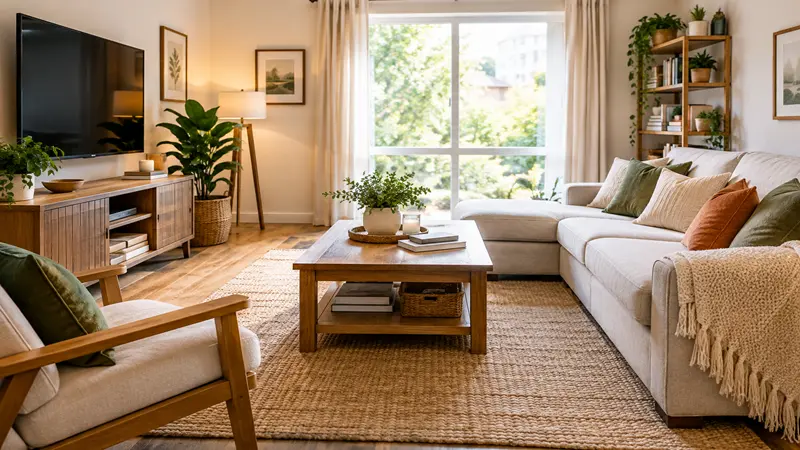
The living room often serves several purposes. It may be a place for relaxing, entertaining guests, reading, or spending time with family.
Rearrange furniture around everyday use
Place seating so people can move comfortably through the room and talk without awkward angles.
If the room is small, avoid filling every open area with furniture. Keep the main walkway clear and allow enough space to use doors, drawers, and seating.
Refresh the room with textiles
Small changes can give a familiar room a different appearance.
Consider:
- New cushion covers
- A washable rug
- Curtains that suit the room’s lighting
- A throw blanket
- A small side table
Choose materials that suit your lifestyle. A home with children or pets may need easy-to-clean fabrics rather than delicate decorative pieces.
Add one personal focal point
A framed photograph, artwork, a bookshelf, or a carefully chosen decorative object can give the room character.
The goal is not to fill every wall. One meaningful feature can be enough.
Small Home Ideas That Make Better Use of Space
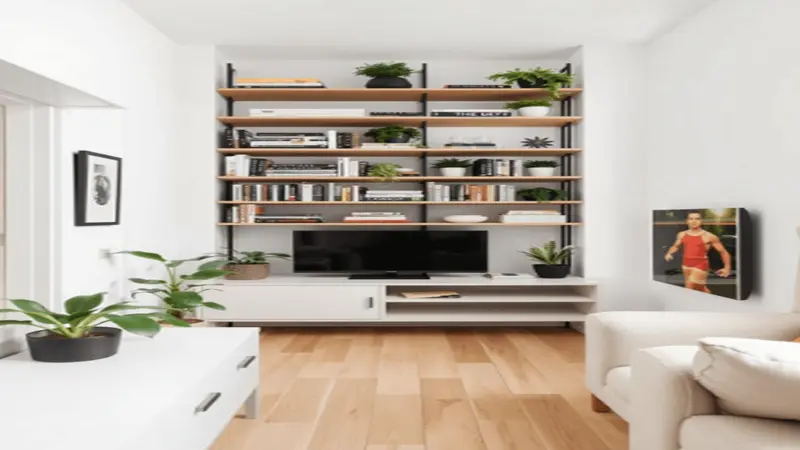
Small rooms require planning. The best solution is not always to make a room look larger. It is to make the available space easier to use.
Use vertical storage
Wall shelves, tall bookcases, and other suitable vertical storage can help keep frequently used items organized.
Before installing anything, check the wall, mounting requirements, and whether drilling is permitted.
Choose furniture with more than one purpose
A storage ottoman can provide seating and hold blankets. A desk with drawers can combine work and storage. A foldable table may be useful in a room that serves several purposes.
Choose furniture based on what you actually need, not just how many functions it advertises.
Keep frequently used items accessible
Store everyday items where you use them.
For example:
- Keep keys near the entrance.
- Store cooking tools near the preparation area.
- Place books near your reading chair.
- Keep cleaning supplies organized in an appropriate storage area.
Good organization reduces unnecessary movement and makes daily routines easier.
Bedroom Ideas for a Calm and Practical Room
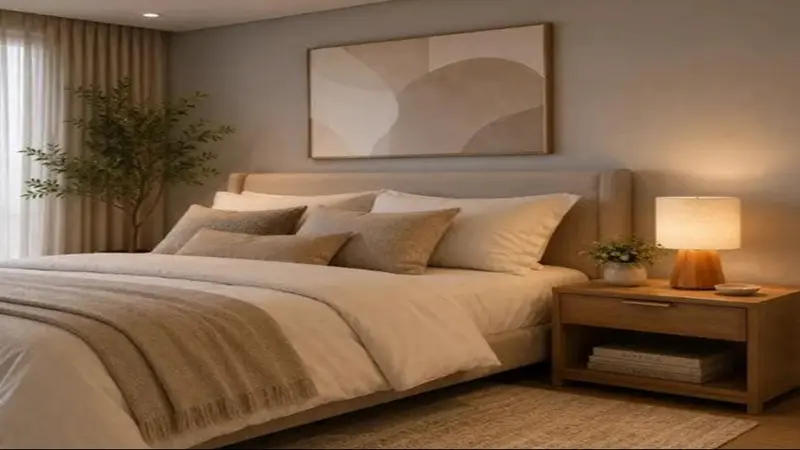
A bedroom should support rest and make everyday routines simple.
Improve bedside lighting
A bedside lamp can provide useful light for reading or getting up at night. Choose a placement that is easy to reach without leaving the bed.
If you are buying new lighting, consider the bulb type, brightness, and whether the fitting is suitable for your electrical system.
Make the bed the visual anchor
A coordinated bedding set, a simple headboard, or a carefully chosen wall color can help the room feel more organized.
You do not need to buy a complete bedroom set. Start with the element that needs improvement most.
Organize clothing and accessories
Use drawer dividers, shelf organizers, or under-bed storage where appropriate.
Keep the items you use often easy to reach. Avoid storing heavy objects where they could fall or create a safety problem.
Kitchen Home Ideas for Better Organization
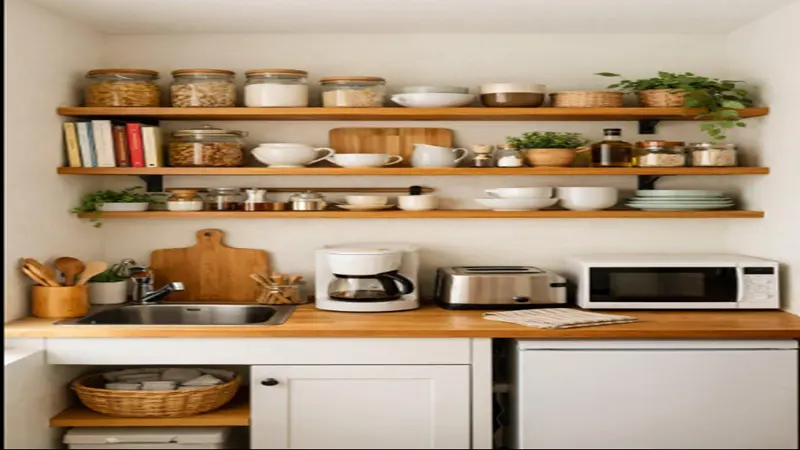
A kitchen should support cooking, cleaning, and storage without making everyday tasks difficult.
Organize by activity
Group items according to how you use them.
For example:
- Cooking utensils near the preparation area
- Plates and glasses where they are easy to access
- Frequently used ingredients in a suitable pantry area
- Cleaning supplies stored safely away from food
This arrangement can make cooking and cleanup more straightforward.
Use open shelving thoughtfully
Open shelves can display dishes, jars, or decorative objects. They also require regular cleaning and careful organization.
If you prefer a low-maintenance kitchen, closed cabinets may be more suitable for many items.
Make use of unused corners
A narrow shelf, a suitable trolley, or a compact organizer may help use an awkward corner.
Check measurements before purchasing anything. A storage solution should not block appliances, doors, or important working areas.
Home Office Ideas for a More Useful Workspace
A home office does not need to be a separate room. A suitable corner of a bedroom, living room, or other space may work.
Create a dedicated work area
Choose a surface that is large enough for your computer and essential supplies.
Keep work items together so the area can be reset easily when your workday ends.
Pay attention to lighting
Position the desk to reduce glare on the screen. Use suitable task lighting if the room is not bright enough.
If you work for long periods, choose a chair and desk arrangement that supports a comfortable posture.
Hide unnecessary cable clutter
Cable clips, a cable tray, or a simple cable management box can help keep wires organized.
Keep electrical connections accessible and avoid overloading outlets.
Budget-Friendly Home Decor Ideas
A home refresh does not have to mean buying everything new.
Rearrange before shopping
Try moving furniture, changing the position of artwork, or swapping accessories between rooms.
This costs nothing and may reveal what the space actually needs.
Refresh one surface
A small change to a single area can create a clear visual difference.
Ideas include:
- Styling a bookshelf
- Updating a console table
- Reorganizing a kitchen shelf
- Creating a reading corner
- Adding a mirror in a suitable location
Choose one surface and finish it before starting another project.
Repurpose what you already own
An old side table may work as a bedside table. A sturdy basket may become storage. A framed print may look better in another room.
Check the condition and safety of anything you reuse.
Home Decor Ideas That Reflect Your Personality
A comfortable home should feel personal rather than copied from a showroom.
Choose a simple color direction
You can use a neutral base with one or two accent colors. Alternatively, choose a palette that suits your existing furniture.
Before painting, test colors in the actual room. Natural and artificial lighting can change how a color looks.
Mix textures carefully
Wood, fabric, metal, and glass can create visual variety.
You do not need many different materials. A few complementary textures may be enough to make a room feel more considered.
Display meaningful items
Family photographs, books, travel souvenirs, and handmade pieces can add character.
Choose items that you enjoy seeing. Home decor should support your daily life, not create extra clutter.
Balcony and Outdoor Home Ideas
A balcony, patio, or small outdoor area can become a useful extension of the home.
Choose suitable seating
A compact chair, a small bench, or foldable seating may suit a limited area.
Check the outdoor conditions and choose furniture designed for the space’s weather exposure.
Add greenery carefully
Potted plants can add color and interest.
Select plants according to sunlight, temperature, watering needs, and the space available. If the area is rented, check whether there are restrictions on hanging planters or attachments.
Use outdoor lighting appropriately
Suitable outdoor lighting can make an area more pleasant in the evening.
Follow the manufacturer’s instructions and use products rated for outdoor conditions where required.
Home Improvement Ideas That Need More Planning
Not every home improvement project is a quick weekend update.
Some changes require additional planning, tools, professional help, or permission.
Painting
Painting can change the appearance of a room, but preparation matters.
Check the surface, choose a suitable product, protect floors and furniture, and allow adequate drying time according to the manufacturer’s instructions.
Shelving and wall-mounted storage
Before drilling, check the wall construction, mounting hardware, and expected load.
For heavy items, use an appropriate fixing method or seek professional advice.
Electrical and plumbing work
Electrical installations, wiring changes, plumbing alterations, and structural work may require qualified professionals and local approvals.
Do not treat a decorative home idea as a reason to carry out work that could create a safety risk.
A Simple Weekend Home Refresh Plan
If you are unsure where to begin, use this practical sequence.
Step 1: Choose one room
Pick the room you use most or the one causing the biggest inconvenience.
Step 2: Identify one problem
For example, the room may feel crowded, poorly lit, or difficult to organize.
Step 3: Set a spending limit
Decide what you can comfortably spend before looking at products.
Step 4: Try a no-cost improvement
Rearrange furniture, remove unused items, or reorganize a shelf.
Step 5: Make one targeted purchase if needed
Buy only what solves the problem you identified.
Step 6: Review the result
Ask whether the room is easier to use. If not, adjust the layout before buying more things.
How to Find Useful Ideas on TheHomeTrotters
When exploring TheHomeTrotters, look for content that matches your actual project.
Useful topics may include:
- Home decor ideas
- Small-space organization
- Room makeovers
- DIY home improvements
- Home repairs
- Kitchen design
- Bedroom inspiration
- Home maintenance
Use the exact website domain when searching for articles. The name TheHomeTrotters appears across multiple domains in search results, and those websites should not automatically be treated as the same publication.
For a specific article, check its author, publication date, subject, and whether the advice applies to your home.
Final Thoughts
The best home ideas are not necessarily the most expensive or the most fashionable. They are the ones that make your space work better for you.
Start with one room, solve one problem, and make changes that suit your budget and lifestyle.
Whether you want to refresh a living room, organize a small kitchen, improve a bedroom, or create a more useful workspace, thoughtful planning can help you make your home more comfortable and personal.
Explore TheHomeTrotters for inspiration, then adapt the ideas to your own space. See more
FAQ section
These FAQs are written for search intent. The answers should be kept on the page only if they match the actual content and the website’s verified information.
What are blog home ideas TheHomeTrotters?
Blog home ideas TheHomeTrotters refers to home inspiration and practical decorating ideas associated with TheHomeTrotters. Topics may include home decor, room design, organization, DIY projects, and home improvements. Verify the exact website before attributing a specific article.
What are some easy home ideas for beginners?
Start with simple changes such as rearranging furniture, organizing a shelf, updating cushion covers, improving lighting, or creating a small reading corner. Choose one project that fits your space and budget.
How can I make a small home feel more organized?
Use vertical storage where suitable, keep walkways clear, store frequently used items near where they are needed, and choose furniture that serves a practical purpose. Avoid adding storage without first checking what needs to be stored.
What are the best budget-friendly home decor ideas?
Rearranging furniture, repurposing existing items, refreshing textiles, organizing surfaces, and adding meaningful artwork are useful starting points. The best option depends on the room and the problem you want to solve.
Does TheHomeTrotters cover home improvement?
TheHomeTrotters websites appearing in search results include home improvement and home decor content. The exact topics covered depend on the domain and publication. Verify the official website’s categories before making a definitive claim.
What should I do before starting a home renovation?
Identify the scope of work, set a budget, check measurements, confirm permissions, and determine whether professional help is needed. Electrical, plumbing, and structural work should be approached with appropriate safety precautions.
How do I choose a home decor style?
Start with your existing furniture, the room’s purpose, and the colors and materials you enjoy. Choose a small group of complementary elements instead of trying to follow every trend.